
New York's strict Spam Call Laws protect consumers from unwanted text messages through explicit consent requirements for promotional texts and robust Do-Not-Call lists. Specialized Spam Call law firms in New York navigate these regulations, ensuring compliance with FCC guidelines to mitigate legal risks. Key services include identifying spam, preventing future spam, crafting clear consent forms, and developing internal anti-spam policies. Non-compliance results in severe penalties; proactive compliance builds trust and enhances brand reputation.
Text message spam in New York is a pervasive and disruptive issue affecting individuals and businesses alike. With the proliferation of unsolicited marketing texts, consumers face an ever-growing influx of unwanted messages, leading to frustration and privacy concerns. The Federal Communications Commission (FCC) has established regulations, including the Telephone Consumer Protection Act (TCPA), to combat this problem. However, navigating these laws can be complex, especially for businesses seeking legitimate marketing strategies. This article provides a comprehensive guide to understanding and complying with FCC spam text regulations in New York, offering valuable insights from top Spam Call law firm New York experts to ensure your business stays compliant and protects consumer rights.
Understanding New York's Spam Call Laws

New York’s Spam Call Laws are among the most stringent in the nation, designed to protect consumers from unwanted and deceptive text messages. These laws are continuously updated to keep pace with evolving spamming tactics, reflecting the state’s commitment to maintaining a safe and transparent digital environment. At the core of these regulations lies the requirement for explicit consent, meaning businesses must obtain prior authorization from recipients before sending promotional or advertising texts. Any violation of this fundamental tenet can result in significant penalties, enforced by both state and federal agencies, including the New York Attorney General’s Office and the Federal Communications Commission (FCC).
A key aspect of New York’s Spam Call Laws is the strict enforcement of Do-Not-Call lists. Consumers have the right to register their phone numbers on these lists, effectively opting out of receiving marketing texts. Businesses found to be sending spam calls to registered numbers face not only legal repercussions but also damage to their reputation. Moreover, the laws mandate clear and conspicuous opt-out mechanisms within each text message, allowing recipients to easily discontinue receipt of future communications. This dual approach—stringent enforcement and user control—sends a powerful message to spammers while empowering consumers.
Spam Call law firms in New York play a crucial role in navigating these complex regulations. They provide expertise in understanding the legal implications of text messaging campaigns, ensuring compliance at every stage. For businesses, working with such firms offers peace of mind and strategic guidance. By adhering to New York’s Spam Call Laws, companies can avoid costly lawsuits, maintain customer trust, and enhance their brand image. Effective strategies include obtaining verifiable consent through secure opt-in methods, implementing robust internal policies for text messaging, and staying informed about legislative updates. Proactive compliance is not just a legal imperative; it’s a vital step in fostering a harmonious relationship between businesses and consumers in the digital age.
How a Spam Call Law Firm in New York Can Help
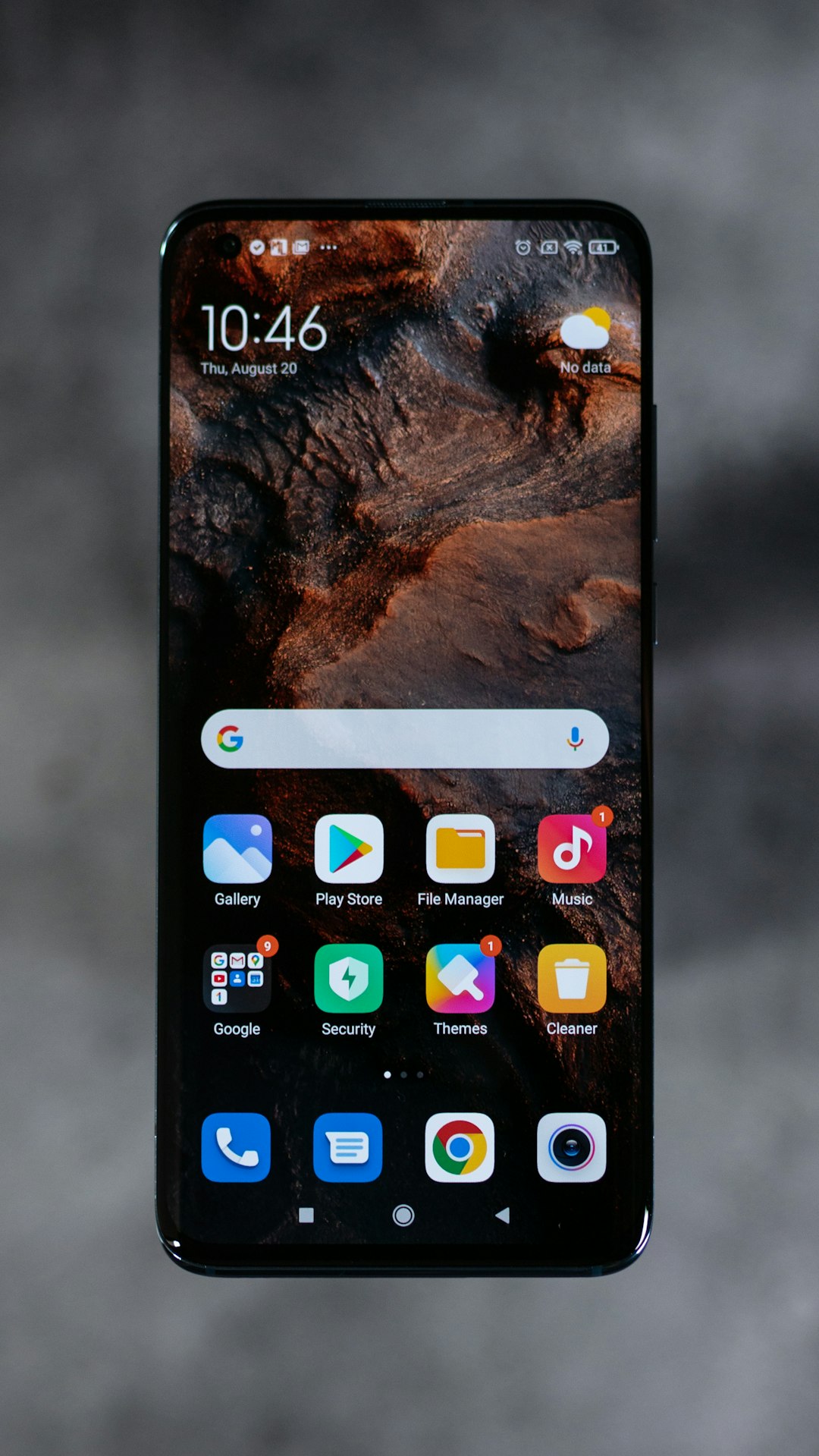
In New York, dealing with spam texts has become a pressing issue for residents, businesses, and even legal professionals. The sheer volume of unsolicited messages can be overwhelming and often involves violations of privacy and consumer protection laws. This is where a Spam Call Law Firm in New York plays a pivotal role. These specialized legal experts are equipped to navigate the complex web of Federal Communications Commission (FCC) regulations designed to curb spam activities, ensuring that businesses and individuals alike comply with the law.
A Spam Call Law Firm in New York offers several key services. They first assist clients in identifying and understanding the nature of spam texts they receive. This involves analyzing message content, sender information, and frequency to determine if there has been a violation of FCC guidelines, such as those prohibiting automated or prerecorded calls without prior express consent. Moreover, these firms provide proactive strategies to prevent future spam, including refining customer contact lists and implementing robust anti-spam technologies.
For businesses, a Spam Call Law Firm in New York can be instrumental in drafting and enforcing comprehensive anti-spam policies. They help develop best practices for obtaining informed consumer consent, maintaining accurate caller ID data, and providing clear opt-out mechanisms. By staying abreast of evolving FCC regulations and legal precedents, these firms ensure their clients remain compliant and mitigate potential penalties, which can be substantial under current laws. For instance, businesses found to have violated spam regulations may face fines ranging from $500 to $1,500 per violation, with the potential for higher penalties in cases of willful or knowing violations.
Enforcing FCC Regulations for Text Spamming

The Federal Communications Commission (FCC) regulations regarding spam texts are designed to protect consumers from unwanted and deceptive messaging, a growing concern in today’s digital landscape. New York, as a bustling metropolis with a vibrant communication ecosystem, is at the forefront of navigating these rules. The primary goal of the FCC is to ensure that text messages for commercial purposes, often referred to as SMS spam, are sent only with explicit consent from recipients. This approach safeguards personal privacy and reduces the nuisance factor associated with unsolicited texts.
Enforcing these regulations involves a multi-faceted strategy. First, businesses must obtain prior express written consent (PEWC) from subscribers before sending any marketing texts. This means that every text message must be initiated only after a customer has clearly agreed to receive such communications. A prominent Spam Call law firm in New York can assist companies in understanding and implementing this requirement, ensuring compliance from the outset. Additionally, the FCC provides a simple “opt-out” mechanism where subscribers can easily discontinue receiving texts by replying “STOP.” Businesses must honor these requests promptly, demonstrating their commitment to ethical messaging practices.
For businesses already facing allegations of non-compliance or receiving FCC fines, seeking legal counsel is crucial. A specialized Spam Call law firm in New York can offer expert guidance on rectifying past mistakes and implementing robust internal policies to prevent future violations. These firms stay abreast of the ever-evolving regulatory environment, ensuring clients remain protected under the latest FCC guidelines. Furthermore, they can assist in crafting clear consent forms and opt-out procedures, thereby enhancing customer trust and reducing potential legal repercussions.