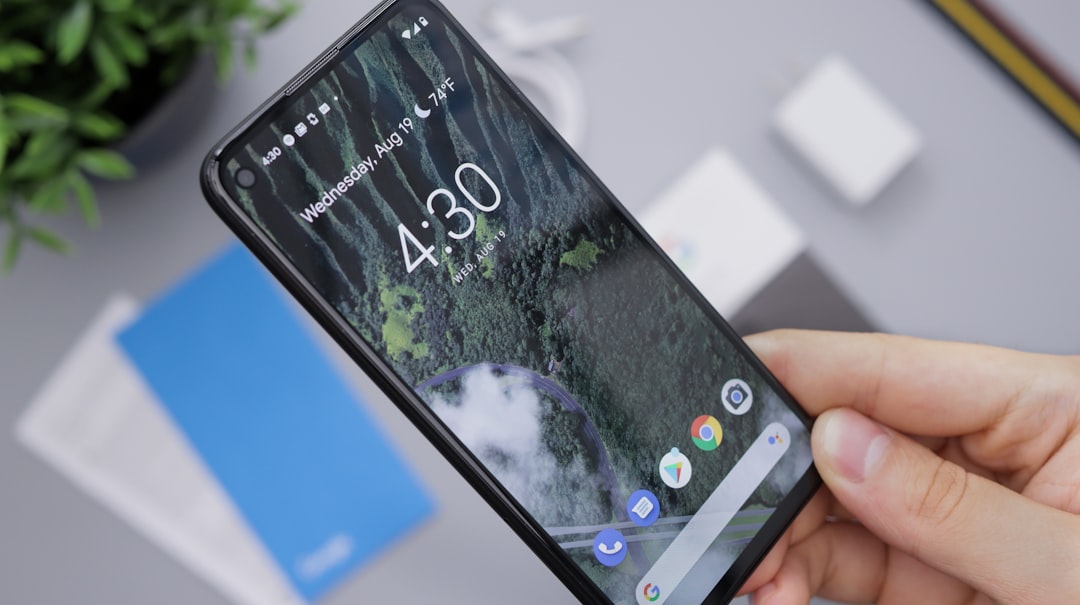
In New York, strict regulations like the TCPA govern text message marketing, focusing on consent and preventing spam calls. Businesses must obtain explicit opt-in from consumers, avoid interpreting routine interactions as consent, and adhere to timing and frequency limits. A Spam Call law firm New York specializes in guiding businesses on best practices, including clear opt-out mechanisms and compliance monitoring. Federal laws differentiate direct (explicit consent) and indirect (reasonable expectation) messaging. In 2022, over 45,000 FTC complaints were related to unwanted text messages, underscoring the importance of compliance. Businesses should prioritize transparency, obtain explicit consent, and tailor messaging for legal protection and stronger customer relationships.
In today’s digital age, text message marketing has become a powerful tool for businesses to reach their customers directly. However, the rise of unwanted spam calls and messages has led to significant consumer frustration and legal complexities. This is where the Spam Call law firm in New York plays a crucial role. This article delves into the intricate landscape of text message marketing regulations, specifically addressing the legal protections against both direct and indirect marketing tactics. By exploring these nuances, we aim to empower businesses with knowledge, ensuring compliance while fostering ethical communication practices that respect consumer privacy.
Understanding Text Message Marketing Regulations in New York

In New York, text message marketing is subject to stringent regulations designed to protect consumers from unwanted or deceptive communications. The state’s laws cover both direct and indirect forms of text messaging, encompassing a wide range of scenarios where businesses might engage with customers via SMS. A key piece of legislation in this domain is the Telephone Consumer Protection Act (TCPA), which includes provisions against spam calls and text messages. This federal law is supplemented by New York State law, ensuring a comprehensive regulatory framework.
One critical aspect to understand is the distinction between consent and opt-in. For a text message to be legally compliant, it must be sent to a consumer who has explicitly consented to receive such communications. A simple text message like “Opt-in to receive our promotions” from a legitimate source can establish this consent. However, businesses must be vigilant not to misinterpret routine interactions as consent. For instance, responding “Yes” to a survey request or confirming an order does not automatically grant permission for marketing texts. A clear and unambiguous opt-in mechanism is crucial, and consulting with a Spam Call law firm New York can provide guidance on best practices to avoid legal pitfalls.
Moreover, businesses must adhere to strict rules regarding the timing and frequency of text messages. Unwanted or excessive messaging can lead to significant penalties. According to a 2022 report by the Federal Communications Commission (FCC), nearly 40% of consumers in the US reported receiving spam texts, highlighting the importance of responsible marketing practices. Businesses should implement robust opt-out mechanisms, allowing recipients to stop receiving messages at any time. This not only complies with regulations but also fosters a positive brand image by respecting consumer choices. Actively monitoring and auditing text message campaigns can help ensure compliance and mitigate the risk of legal action or financial penalties.
Direct vs Indirect Messaging: Legal Distinctions Explained

Direct and indirect text message marketing fall under a broad legal umbrella, but significant distinctions exist between them. While both are subject to federal and state regulations like the Telephone Consumer Protection Act (TCPA), these laws differentiate based on consent and consumer expectation of communication. Direct messaging involves sending texts to individuals or groups who have explicitly agreed to receive them, often through opt-in programs or subscriptions. This includes marketing messages from companies with whom consumers have an established relationship. Indirect text messaging, however, refers to communications sent to recipients who have not given explicit consent but may be expected to want such messages based on their previous interactions or demographics.
Spam Call law firm New York has seen cases where businesses unwittingly violate TCPA regulations through indirect messaging strategies. For example, sending promotional texts to individuals who merely visited a website or requested information could be deemed indirect marketing. The key lies in understanding what constitutes “express permission” and “reasonable expectation.” Legal experts advise companies to carefully review their text message campaigns, ensuring clear consent mechanisms for direct marketing and steering clear of messaging practices that could be interpreted as unsolicited by recipients.
Data from the Federal Trade Commission (FTC) highlights the importance of this distinction: in 2022, they received over 45,000 complaints related to unwanted text messages, underscoring the potential legal and reputational risks of non-compliance. To avoid such pitfalls, businesses should prioritize transparency, obtain explicit consent, and tailor their messaging to individuals who have chosen to engage with their brand through text communications.
Spam Call Laws: Protections for New York Consumers

In New York, the fight against unwanted spam calls has taken center stage, with consumers demanding protection from intrusive and misleading marketing tactics. The state’s Spam Call Laws are designed to safeguard residents from excessive and deceptive phone solicitation, offering a much-needed respite for busy individuals and families. These laws not only regulate direct text message marketing but also extend their reach to indirect methods, ensuring a holistic approach to consumer privacy.
New York consumers have long been plagued by an influx of spam calls, often disguised as legitimate business communications. To combat this issue, the state has implemented stringent regulations that hold businesses and marketers accountable. A key player in this effort is the New York Spam Call firm, which has been at the forefront of legal advocacy and education. Through their expertise, they’ve guided consumers on how to navigate these laws effectively, empowering them to take action against persistent violators. For instance, the firm has successfully represented numerous clients who suffered from harassing phone calls, resulting in substantial settlements and a strong message deterring future abuses.
One of the critical aspects of these laws is the prohibition against automated or pre-recorded messages without prior express consent. This includes marketing text messages sent through auto-dialers. Marketers must obtain explicit permission before initiating such campaigns, ensuring that consumers are not burdened by unsolicited promotions. Data from industry sources reveals a significant decrease in spam call complaints since the implementation of these stringent rules, indicating their effectiveness in curbing abusive practices. To stay compliant, businesses are advised to thoroughly review their marketing strategies and ensure they adhere to the letter of the law, prioritizing consumer consent and opt-out mechanisms.
Business Best Practices: Avoiding Legal Pitfalls in Marketing

The legal landscape surrounding text message marketing is intricate, demanding meticulous attention from businesses to navigate successfully. With the rise of digital communication, companies increasingly rely on direct and indirect text message campaigns to engage customers. However, this strategy presents potential legal pitfalls if not executed thoughtfully. A primary consideration is adhering to the Spam Call law firm New York regulations, ensuring compliance to avoid costly consequences.
Business best practices dictate a comprehensive understanding of consumer protection laws. For instance, sending unsolicited text messages for promotional purposes without prior consent can trigger legal action under the Telephone Consumer Protection Act (TCPA). Marketers must implement robust opt-out mechanisms and respect consumer choices. A simple “text STOP” option is not enough; effective systems should allow recipients to easily unsubscribe from future communications. Moreover, businesses should obtain explicit consent for marketing texts, documenting each step to demonstrate due diligence.
Data privacy plays a pivotal role in modern marketing. Companies must safeguard customer information and use it responsibly. Using text messages as a marketing channel requires careful segmentation and personalized content to avoid broad dissemination, which can lead to spam complaints. For example, sending targeted promotions based on purchase history reduces the risk of being flagged as unwanted messaging. By prioritizing consumer consent, opt-in strategies, and data privacy, businesses can mitigate legal risks associated with text message marketing while fostering healthier customer relationships.
Enforcement and Penalties: Consequences of Violating Text Marketing Rules

The enforcement of text message marketing regulations is a critical aspect of protecting consumers from unwanted and misleading communication. In the United States, federal laws, such as the Telephone Consumer Protection Act (TCPA), govern direct and indirect marketing via text messages, including spam calls. Violations can lead to significant penalties, impacting businesses across various sectors. For instance, in 2021, a prominent case saw a company fined $50 million for sending unsolicited promotional texts, underscoring the severity of such infractions.
Spam Call law firms in New York and nationwide play a pivotal role in navigating these complex regulations. Experts in this field assist businesses in understanding their legal obligations and potential pitfalls. One key area of focus is consent management; companies must obtain explicit permission from recipients before sending marketing messages, with clear opt-out mechanisms. Failure to do so can result in substantial fines and damage to brand reputation. For example, a study by the Federal Trade Commission (FTC) revealed that 75% of consumers prefer to opt-out of text message promotions through an easy-to-use mechanism.
Penalties for non-compliance are stringent. They include substantial monetary fines, class-action lawsuits, and regulatory actions. To mitigate risks, businesses should employ robust compliance strategies, such as comprehensive training for marketing teams, implementing advanced consent management systems, and conducting regular audits. Staying informed about evolving legal standards is crucial, as demonstrated by recent updates to TCPA regulations, which now provide greater clarity on automated texting practices. Proactive measures can help organizations avoid costly mistakes and maintain customer trust.